
Hands-on help that protects dignity and safety
When bathing, dressing or getting to the bathroom has become risky or exhausting, a trained caregiver changes the day. Personal care covers the physical tasks families find hardest to do for a parent, and hardest to ask about.
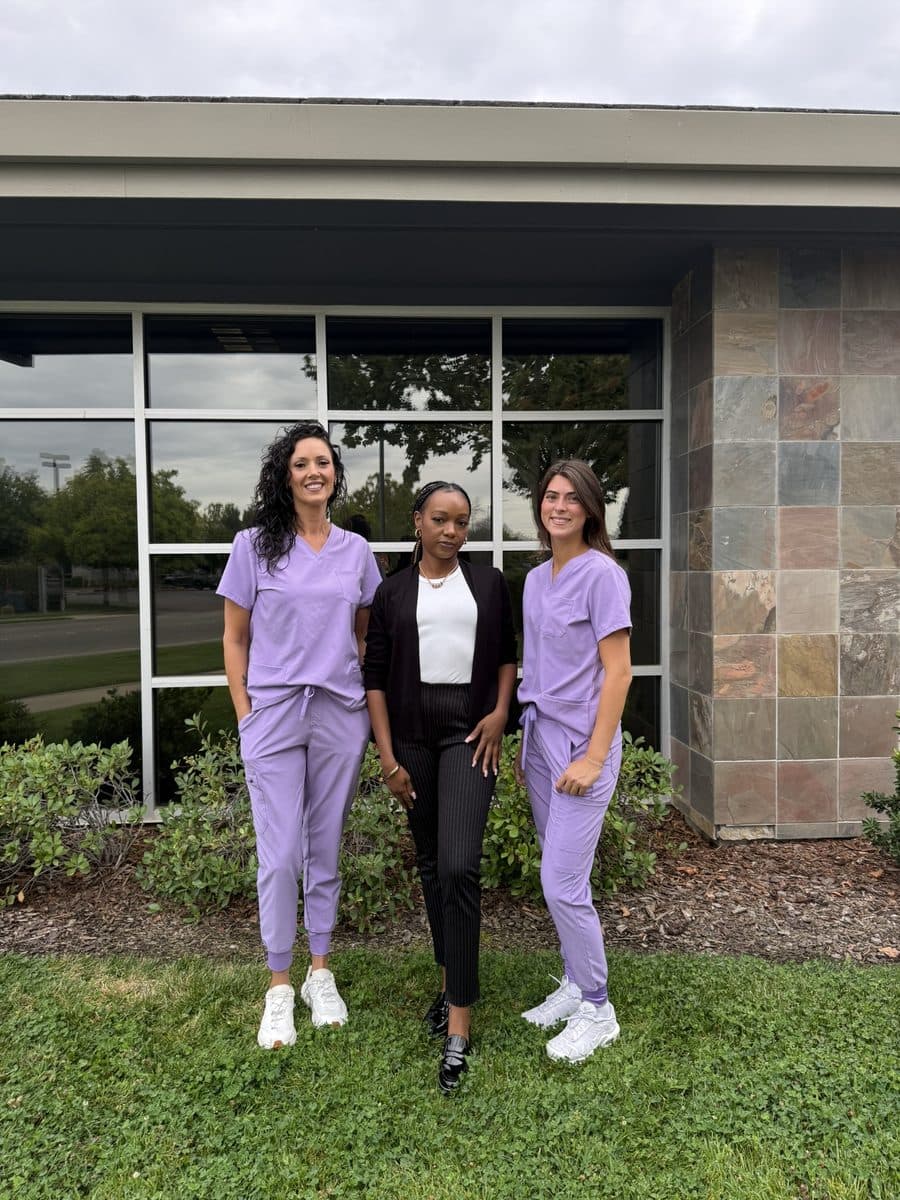
What personal care covers
Personal care is the category of help that requires training and a certain kind of person. Safe transfers from bed to chair, standby assistance in the shower, help with incontinence, dressing a stiff shoulder, and doing all of it in a way that leaves the client feeling respected rather than managed. It is also the service where a caregiver's attention to skin, appetite and balance catches problems early.
What personal care includes
- Bathing, showering and standby assistance
- Grooming, oral care, shaving and hair care
- Dressing and choosing weather-appropriate clothing
- Toileting and incontinence care
- Transfers and repositioning, including safe use of walkers, gait belts and lifts the family already owns
- Mobility support and fall prevention around the home
- Feeding assistance and monitoring of fluid intake
- Medication reminders (non-medical: we do not administer or set up medication)
When families move from companion to personal care
- Bathing has become infrequent because it is frightening or difficult alone
- Clothing is being worn for several days at a time
- There has been a fall in the bathroom or getting out of bed
- A spouse is doing the lifting and is exhausted or getting hurt
- Skin issues or odor that suggest incontinence is not being managed
- A hospital or rehab discharge that requires help with daily activities
A common personal care routine
A two-hour morning visit, seven days a week: help out of bed, bathroom, a supervised shower on Monday, Wednesday and Friday with a sponge bath on other days, dressing, breakfast, medication reminder, and a quick tidy of the bedroom. Some families add an evening visit for the bedtime routine. Illustrative only; your plan is built at the assessment.
How we set up personal care
- 1
Assessment with a focus on the bathroom and bedroom
We look at the shower, the toilet height, the bed, the lighting and the paths between them. Small changes, like a shower chair or a grab bar, often come out of this visit.
- 2
Care plan with specific tasks and preferences
Morning routine order, water temperature, what your mother wants done herself, what she does not. The plan is written down so every caregiver follows it the same way.
- 3
Caregiver match and introduction
For personal care we pay extra attention to physical capability and to gender preference. You meet the caregiver before the first shift.
- 4
Ongoing supervision
Carly or Ginelle reviews visit notes and does periodic in-home visits. The plan is updated whenever the client's needs change.
What affects the cost
We do not publish a rate card because the right number depends on the plan. These are the factors, and we quote exact pricing after the free assessment.
- Level of physical assistance required (standby vs. hands-on vs. two-person)
- Visit length and frequency, including whether care is needed daily
- Early morning, late evening, weekend or holiday shifts
- Special training needs such as lift equipment or dementia-related behaviors
Why families choose us for personal care
- Caregivers trained in safe transfers and personal care before their first shift
- Written care plans so routines stay consistent across caregivers
- Gender preference honored in caregiver matching
- Licensed and supervised: HCO 314700059, with owner oversight of every plan
Personal Care questions
Can we request a female or male caregiver?
Yes. Preference for personal care is honored whenever possible and is one of the first things we ask about at the assessment.
Do your caregivers give medications?
No. As a non-medical home care organization we provide medication reminders and can help open packaging, but we do not administer, set up or manage medications. If skilled nursing is needed we will tell you and help you find it.
What if my father needs two people to move safely?
We will assess that honestly. Two-caregiver transfers are sometimes necessary and we will say so, along with what equipment could reduce the need.
How is personal care different from home health?
Home health is skilled, medical care ordered by a physician, usually short term and often covered by Medicare. Personal care is ongoing non-medical help with daily activities, paid privately or through long-term care insurance. Many clients use both at once after a hospital stay.
Can the same caregiver also do housekeeping and meals?
Yes. Personal care shifts routinely include meals, laundry and light housekeeping. We build the whole shift around what needs to happen in the home.

Personal Care across South Placer County
Available in every community we serve. Local details for each:
Often combined with
Companion Care
Regular visits for conversation, meals, errands and a steady routine, for seniors who live alone or are starting to need a hand.
Learn more →24-Hour Care
Around-the-clock coverage at home with rotating caregivers, for clients who can no longer be alone safely, day or night.
Learn more →Post-Hospital Care
Support for the first days and weeks home from Sutter Roseville, Kaiser Roseville or a rehab stay, when readmission risk is highest.
Learn more →Talk to us about personal care
A free in-home assessment is the first step. No obligation, and you will meet the person who writes the plan.